How Car Key Replacement Works — From Cutting to Programming
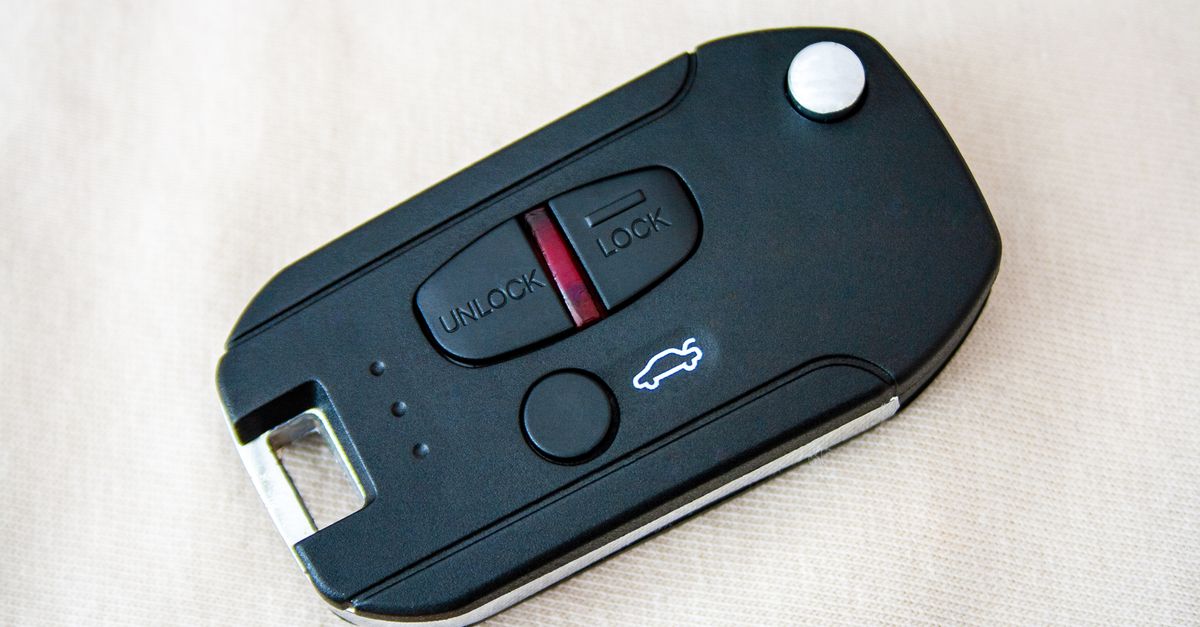
A replacement car key is never just a physical cut of metal anymore. Every modern vehicle brand layers at least one electronic security protocol on top of the mechanical blade. The process starts with verifying vehicle ownership — we require proof such as a title, registration, or government-issued ID matching the VIN — then our technician reads the key data from your vehicle's immobilizer or ECU using specialized diagnostic equipment. From there, a blank key or fob matched to your make and model is cut on a mobile key-cutting machine and programmed to communicate exclusively with your car. Because we carry a broad inventory of blanks and fob shells in our service vehicles, the entire process typically happens at your location without a tow.
The brands we most commonly service include Toyota, Honda, Ford, Chevrolet, Nissan, Hyundai, Kia, Jeep, Ram, GMC, Subaru, Volkswagen, BMW, Mercedes-Benz, Audi, Lexus, Acura, Infiniti, Cadillac, Dodge, Chrysler, Buick, and Lincoln. Each brand uses its own immobilizer protocol — for example, Toyota's G and H chip series, Ford's PATS system, or GM's PassLock — so a technician who is trained specifically on automotive security systems is essential. Our team stays current with evolving vehicle security platforms so that skill does not become outdated as new model years roll out.