What Door Knob Lock Replacement Actually Involves
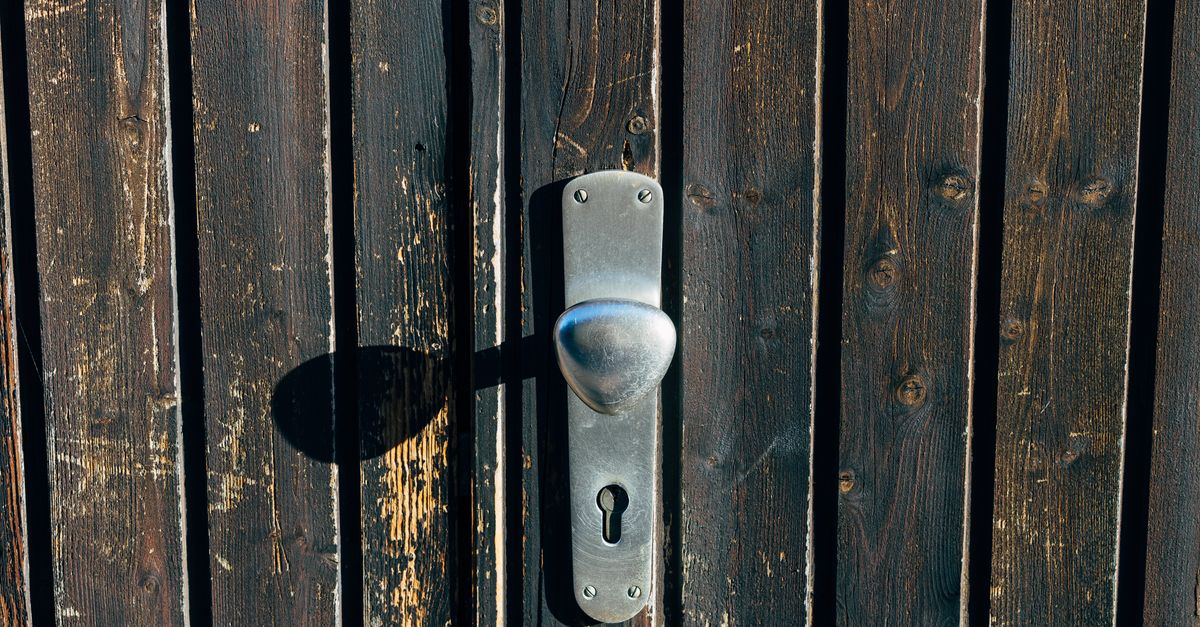
A door knob lock replacement is rarely just unscrewing two bolts and popping in a new knob. A thorough job begins with diagnosing why the existing lock failed — internal cylinder wear, a fatigued latch mechanism, misalignment between the door and frame, or years of paint buildup that has slowly compromised the fit. Our technicians measure the existing backset, cross-bore diameter, and door thickness before selecting a replacement so the new hardware seats flush and operates correctly from the first turn. Where the old lock has caused strike plate damage or door frame wear, we address that at the same visit rather than leaving a security vulnerability behind.
Homeowners in Union City's dense multifamily buildings — the kind of four- and five-story walk-ups common along Summit Avenue and 32nd Street — often discover that their original builder-grade knob locks were low-grade assemblies installed decades ago. Upgrading to a ANSI Grade 1 or Grade 2 door knob with lock significantly raises the pick and torque resistance of those entry points. For situations where a knob alone is insufficient, our technicians can pair a new knob with a deadbolt or replace the entire assembly with a mortise lock body, which integrates the latch, deadbolt, and sometimes a chain or slide bolt into one reinforced steel housing inside the door.